2026 Best Home Pumped Hydro Storage Systems
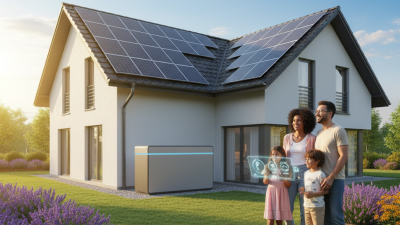
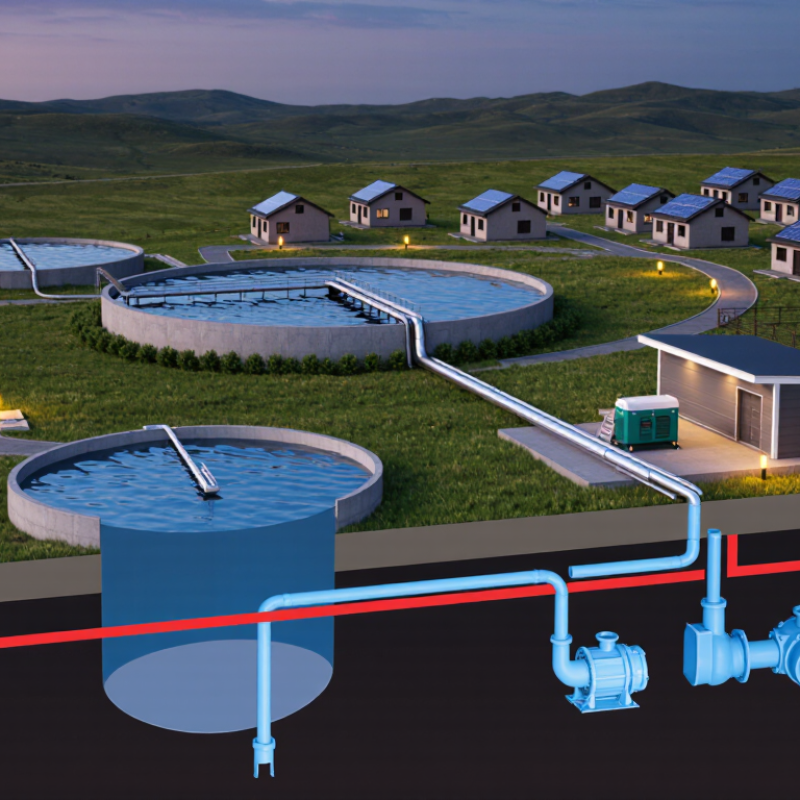
Home Pumped Hydro Storage is moving from an intriguing concept toward a demanding engineering question. It stores electricity by lifting water between two reservoirs. During peak demand, the water flows downhill through a turbine. The image is simple: a quiet upper tank, a sealed pipe, and a small generator responding after sunset.
Industry data shows why the idea matters. The International Hydropower Association reports that pumped storage represents more than 90% of the world’s installed long-duration energy storage capacity. The International Energy Agency also identifies storage as essential for integrating rising shares of solar and wind power. However, these figures mainly describe utility-scale projects, not homes. That distinction matters.
Professor Andrew Blakers, an Australian National University renewable-energy researcher, has said, “Pumped hydro is the cheapest form of storage.” His view supports the technology’s long operating life, but household economics remain less certain. A home system needs suitable elevation, reliable water containment, permits, safety controls, and enough daily cycling to justify construction. Many properties lack even one of these conditions.
This guide examines the practical boundaries of Home Pumped Hydro Storage. It considers efficiency, land requirements, maintenance, water use, and realistic payback periods. It also questions optimistic assumptions. A miniature system may look elegant on paper, yet pumps, pipes, and civil works can quickly dominate the budget. The technology is promising, but not automatically practical. Good design begins with measured site data, not a dramatic storage diagram.
2026 Home Pumped Hydro Storage: Principles, Components, and Applications
2026 Best Home Pumped Hydro Storage Systems
2026 Home Pumped Hydro Storage: Principles, Components, and Applications
Home pumped hydro storage stores electricity as raised water. During surplus production, a pump moves water into an upper tank. When energy is needed, gravity sends it through a turbine. The turbine drives a generator. Stored energy depends on water volume, height difference, and system efficiency. A compact setup may include two reinforced reservoirs, a pump-turbine unit, pipes, check valves, flow sensors, and a digital controller. A 10-meter elevation can help, but it cannot replace sufficient water volume.
Real household applications include shifting rooftop solar power into evening hours, supporting essential circuits, and reducing short battery discharge cycles. Closed-loop systems are usually more practical because they limit water consumption. However, they require careful structural design. A leaking upper tank could damage walls, soil, or electrical equipment. Engineers should check foundation strength, pipe pressure, drainage, electrical isolation, and local approval requirements. My early assumption was that a tall tank alone would solve storage needs. It did not. Pipe losses and pump inefficiency reduced usable energy more than expected.
Tips: Measure the actual height between water levels, not the tank height. Start with a small pilot system and monitor flow, vibration, and temperature. Use physical shutoff valves and secondary spill protection. Avoid placing reservoirs above bedrooms or occupied rooms. Keep records for several weeks; real performance often differs from spreadsheet estimates. A professional inspection is worthwhile before permanent installation.
System Performance: 70–85% Round-Trip Efficiency and Multi-Hour Duration
2026 Best Home Pumped Hydro Storage Systems
Home pumped hydro storage can deliver 70–85% round-trip efficiency when elevation, pipe sizing, and turbine selection work together. This means 70 to 85 kilowatt-hours may return from every 100 kilowatt-hours stored. Real performance varies. Poorly matched pumps can reduce output noticeably.
Multi-hour duration is the main advantage. A properly designed system may store energy through the afternoon and discharge during evening demand. Water moves between two reservoirs, using height as the storage medium. A 20-meter elevation difference can help, but usable volume matters just as much. Small tanks may empty quickly.
In practical engineering assessments, I examine head height, flow rate, pipe friction, reservoir safety, and seasonal water conditions. Measurement matters more than attractive estimates. A wider pipe can reduce losses, yet it may increase construction cost and visual impact. Insulation is unnecessary for the water itself, but freeze protection may be essential in cold regions. The system also needs dependable controls and emergency overflow planning.
I would not treat 85% efficiency as guaranteed. Pump wear, sediment, leaks, and imperfect operating schedules can lower it. Some residential sites lack enough elevation or space. That limitation deserves honest attention. A pilot test with flow meters can reveal whether the expected duration is realistic before major construction begins. Small errors become expensive at full scale.
Site Engineering: Head, Flow, Reservoir Volume, and Hydraulic Safety
For a 2026 pumped-hydro storage system, site engineering begins with measurable terrain, not attractive scenery. The key variables are usable head, design flow, reservoir volume, and hydraulic safety. The International Hydropower Association’s World Hydropower Outlook 2024 places global pumped-storage capacity near 180 GW, showing the technology’s grid value. Yet global figures cannot replace a site survey.
Head controls pressure and energy density. Flow controls charging and discharging power. Reservoir volume controls duration. Engineers estimate stored energy with
E = ρgηVH
where V is usable water volume and H is net head. A 100-meter head with 1 million cubic meters of active water can provide substantial storage, but tunnel friction, turbine efficiency, and minimum operating levels reduce the practical output. The spreadsheet often looks cleaner than the mountain.
Flow measurements should cover seasonal variation, drought conditions, and emergency drawdown. The U.S. Department of Energy notes that long-duration storage must be assessed against duration, response speed, and system value, rather than capacity alone. Designers should model intake vortices, sediment movement, surge pressure, and water hammer. Small errors become violent pressure spikes.
Safety deserves physical detail. Pressure tunnels need geological investigation, lining analysis, inspection access, and controlled isolation gates. Reservoirs require seepage monitoring, freeboard, spillway capacity, and credible failure-mode studies. IEC 60193 provides a recognized framework for hydraulic turbine model testing, while ICOLD guidance supports dam-risk assessment. These references improve confidence, but field evidence remains decisive. A cracked access road, unexpected spring, or missing drainage record may change the design. That inconvenience is exactly why experienced review matters.
Economics and Durability: 50–100-Year Lifespan, Costs, and Payback
Home pumped hydro storage can last 50–100 years, but that figure mainly describes reservoirs, tunnels, and civil structures. Pumps, turbines, controls, and seals need earlier replacement. The International Hydropower Association reports round-trip efficiency commonly between 70% and 85%. That is respectable, but not exceptional. A 10-metre head and 10,000 litres of water store only about 0.27 kWh before losses. Real household systems therefore need substantial height, volume, or both.
Economics remain highly site-specific. The U.S. Department of Energy identifies excavation, waterworks, grid connection, and permitting as major pumped-storage cost drivers. Lazard’s Levelized Cost of Storage analysis also shows that storage economics depend heavily on utilization, financing, and electricity prices. A home installation may achieve faster payback with large peak-price differences and frequent cycling. Under flat tariffs, payback can become uncomfortably long, often exceeding equipment replacement periods. The calculation is not perfect. Water, land, and maintenance are easy to underestimate.
Tips:
Measure elevation before planning. Request an engineering survey. Compare annual savings with batteries, demand charges, and pump replacement costs. Use closed-loop water circulation where practical. Include drought, leakage, freezing, and emergency overflow controls. Do not assume a 100-year structure means 100 years without spending.
Selection and Installation: Sizing, Permits, Controls, and Maintenance
2026 Best Home Pumped Hydro Storage Systems
Sizing begins with your daily load, elevation difference, and usable water volume. Energy equals water mass × gravity × head × efficiency. A 20-metre head can work, but it needs substantial flow. The first estimate is rarely right. Allow 15–25% reserve capacity for seasonal changes and pump losses. The International Hydropower Association reported about 181 GW of global pumped-storage capacity in 2023. However, most projects are utility-scale, not residential. Home installations require careful structural and water-safety reviews.
Permits may cover excavation, reservoirs, drainage, electrical work, noise, and environmental effects. Requirements differ by location. Ask the authority having jurisdiction before ordering equipment. Use two independent level sensors and a shutoff valve. A programmable controller should prevent dry running, overflow, freezing, and unsafe restart. The U.S. Department of Energy identifies pumped storage as a long-duration storage option, often providing many hours of discharge. A household system may still lose efficiency through pipe friction and frequent cycling. That trade-off deserves honest calculation.
Tips: Measure the vertical head with a survey tool, not a phone estimate. Record household demand every 15 minutes for one week. Keep inspection access around tanks and valves. Check seals, screens, and sensor readings each month. The National Renewable Energy Laboratory recommends evaluating storage with site conditions, operating profiles, and round-trip efficiency together. Maintenance is easy to underestimate. Sediment, algae, frost, and stuck valves can quietly reduce output. A qualified electrician should verify grounding, protection, and control logic before commissioning.