Top Benefits of Domestic Commercial Battery Storage in 2025 You Need to Know
As we move towards 2025, the adoption of Domestic Commercial Battery Storage plays a pivotal role in reshaping the energy landscape. These innovative systems offer businesses a strategic advantage by enhancing energy independence and reliability. With the increasing demand for sustainable energy solutions, domestic commercial batteries are poised to provide businesses with the ability to manage energy usage more efficiently, support renewable energy sources, and mitigate rising electricity costs.
Furthermore, the benefits of Domestic Commercial Battery Storage extend beyond mere cost savings. By storing excess energy generated during peak sunlight or low-demand periods, companies can optimize their energy consumption patterns and reduce reliance on the grid. This not only contributes to a greener environment but also aligns with corporate sustainability goals. As companies seek to innovate and adapt to changing energy regulations and consumer expectations, the integration of Battery Storage systems becomes not just an option, but a necessity for future growth and resilience.
In this article, we will explore the top benefits of Domestic Commercial Battery Storage in 2025, highlighting how these systems can transform the way businesses manage energy. From increased operational efficiency to long-term cost benefits, understanding these advantages will empower organizations to make informed decisions in their energy strategies, positioning them for success in an increasingly competitive market.

Advantages of Implementing Domestic Commercial Battery Storage Systems
Domestic commercial battery storage systems are set to revolutionize energy management for businesses in 2025. One of the primary advantages of implementing these systems is the enhanced energy efficiency they provide. By storing excess energy generated during off-peak hours, businesses can significantly reduce their dependency on the grid during peak times when electricity prices soar. This not only results in cost savings but also helps in optimizing energy usage, leading to a more sustainable operation.
Another key benefit is the increased resilience against power outages. With a reliable battery storage system in place, businesses can maintain operations even during grid failures. This reliability is crucial for industries where downtime can result in significant financial losses.
Moreover, as more businesses prioritize sustainability and reducing their carbon footprint, domestic commercial battery storage aligns perfectly with their goals, as it allows greater integration of renewable energy sources. By harnessing solar or wind energy and storing it for later use, companies can lead the charge towards a greener future while benefiting from long-term savings and energy independence.
Economic Savings Through Enhanced Energy Management for Homes and Businesses
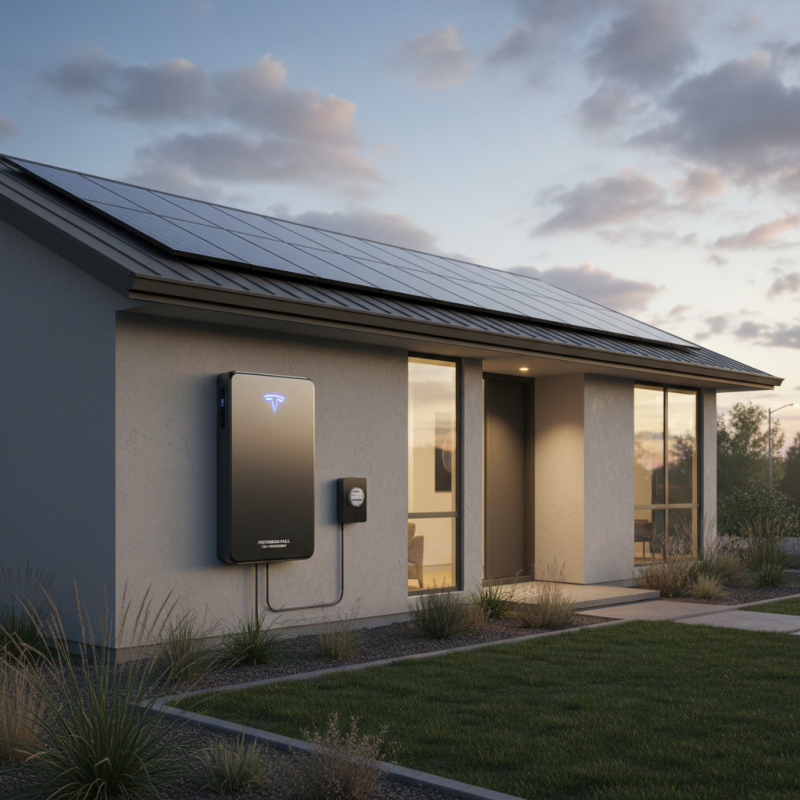
As we move into 2025, domestic commercial battery storage systems are poised to revolutionize energy management for both homes and businesses. One of the most significant advantages is the potential for remarkable economic savings. By storing excess energy generated during peak solar production or off-peak hours, users can significantly reduce reliance on grid power, leading to lower utility bills and enhanced energy independence. This strategic energy management not only helps to stabilize costs over time but also contributes to a more resilient energy system.
Tips: To maximize savings, consider installing a system that can be integrated with your existing solar panels. This will allow you to store the energy produced when sunlight is abundant and use it during periods when energy demand is high, effectively leveraging the time-of-use rates offered by many utility companies.
Additionally, incorporating smart energy management tools can help track usage patterns and optimize energy consumption. By monitoring real-time data, both households and businesses can adjust their energy usage strategies, ensuring that they are operating efficiently and economically. Implementing these innovations can lead to significant long-term savings while supporting sustainable energy practices.
Environmental Impact: Reducing Carbon Footprint with Battery Storage Solutions
The environmental impact of domestic commercial battery storage in 2025 is poised to be significant, particularly in the efforts to reduce carbon footprints. With the increasing adoption of renewable energy sources, battery storage solutions provide a vital means to store excess energy generated during peak production times. According to the International Energy Agency (IEA), the integration of battery storage in homes and businesses can lead to a reduction in greenhouse gas emissions by approximately 50 million tons by 2025, enhancing energy efficiency and promoting cleaner energy use.
Furthermore, data from the Global Energy Storage Database indicates that residential battery systems deployed across the globe could collectively store over 300 GWh of energy by 2025. This substantial capacity not only facilitates the use of solar and wind power but also minimizes reliance on fossil fuel-based energy, which is a leading contributor to pollution and climate change. As households increasingly invest in battery storage technologies, communities can reduce their overall carbon footprint, supporting broader state and national environmental goals to reach net-zero emissions targets. The synergy between energy storage and renewable energy offers a pathway toward a more sustainable future.
Increased Energy Independence: How Battery Storage Protects Against Outages
As we look toward 2025, the significance of domestic commercial battery storage continues to grow, particularly in enhancing energy independence. One of the most compelling benefits of battery storage is its ability to provide a reliable backup during power outages. In regions prone to severe weather events or grid instability, having a battery storage system means that homes and businesses can operate uninterrupted, mitigating the impact of blackouts. This not only improves safety and comfort but also protects sensitive equipment from power fluctuations.
Moreover, increased energy independence through battery storage fosters resilience against fluctuating energy prices and supply constraints. With the ability to store energy generated from renewable sources, such as solar or wind, users can become less reliant on the conventional energy grid. This autonomy allows them to manage their energy consumption more strategically, potentially lowering utility costs and contributing to a more sustainable energy future. In this manner, domestic commercial battery storage not only serves as a safeguard against outages but also empowers individuals and businesses to take charge of their energy needs, promoting a more self-sufficient lifestyle.
Technological Innovations in Domestic Commercial Battery Storage by 2025
By 2025, the landscape of domestic commercial battery storage is set to undergo significant technological innovations that will enhance energy efficiency and user experience.
One of the most impactful advancements will be the integration of artificial intelligence (AI) into battery management systems.
AI algorithms can optimize charging and discharging cycles based on real-time energy demands and usage patterns, allowing for a more efficient allocation of resources.
This will not only reduce energy costs for businesses but also extend the lifespan of battery systems through smart maintenance and usage strategies.
Another critical innovation will be the rise of modular battery designs, providing flexibility and scalability for various commercial applications.
These modular systems will enable businesses to customize their energy storage solutions according to specific needs and space constraints.
The ability to easily expand or reduce battery capacity will empower companies to adapt to fluctuating energy demands, thereby ensuring optimal performance without unnecessary investment.
Furthermore, advancements in materials science, such as the development of solid-state batteries, promise to increase energy density and safety, making domestic commercial battery storage a viable and reliable option for a broader range of enterprises.