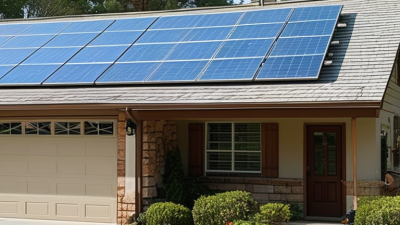
How to Choose the Best Solar Power Storage for Your Home?
Choosing the right solar power storage for your home is crucial. Many homeowners struggle to find the best systems. According to Dr. Emily Hart, a leading expert in solar energy solutions, "The right storage can elevate your solar power experience." This advice speaks volumes about understanding your energy needs and options.
Solar Power Storage Home is more than just technology; it’s about efficiency. Modern systems can store excess energy for nighttime use. Knowing the capacity, battery type, and installation costs can lead to better choices. However, many people make decisions without full information. This can lead to mismatches between needs and solutions, creating frustration.
In the evolving energy market, we must reflect on our preferences. Are we leaning towards larger batteries? Or are compact solutions more appealing? Assessing installation ease is also key. Proper installation can enhance battery performance. Missteps here can cost money, showing the importance of careful planning. Making informed choices will ensure a reliable Solar Power Storage Home that meets your needs and expectations.
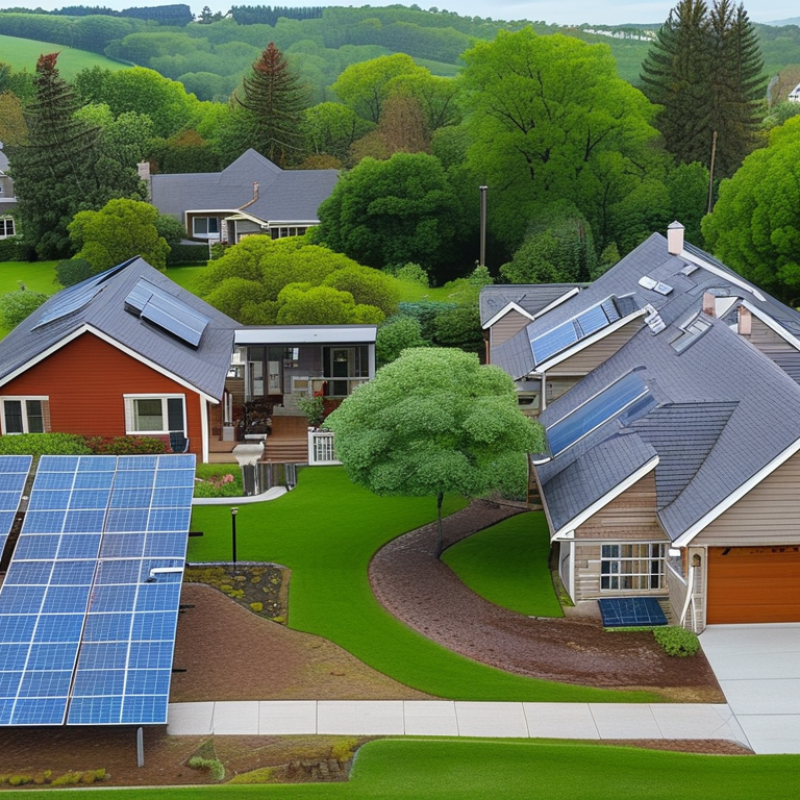
Understanding Solar Power Storage Options Available for Homes
When considering solar power storage for your home, it's essential to explore the options available. Battery systems are popular due to their ability to store excess energy generated during the day. Lithium-ion batteries, for example, are known for their efficiency and compact size. They can be installed indoors or outdoors, making them versatile for various home layouts.
Another option is the lead-acid battery. While cheaper upfront, they have a shorter lifespan and lower efficiency. Homeowners need to weigh these pros and cons carefully. There are also hybrid systems available. These combine traditional energy sources with solar storage. This can offer a safety net during cloudy days or extended power outages.
It's crucial to assess your energy needs before making a choice. Determine how much energy you consume daily. This will help identify the right storage capacity. Not all systems fit every household. Consider installation costs and maintenance requirements. Understanding these factors can help make a more informed decision about solar power storage.
Evaluating Your Home's Energy Needs and Usage Patterns
When evaluating your home's energy needs and usage patterns, it's essential to consider several factors. According to the U.S. Energy Information Administration, the average American household consumes about 877 kWh per month. Understanding your consumption can help you choose the right solar storage system.
Start by analyzing your electricity bills. Identify peak usage times and seasonal variations. For instance, many homes use more electricity in summer months due to air conditioning. This pattern can influence the size of the storage system you may need. A system that caters to your highest energy demands will perform better.
Additionally, consider integrating energy-efficient appliances. A report from the International Energy Agency states that energy efficiency measures can lead to a 30% reduction in energy usage. When less energy is needed, smaller storage solutions could suffice. Reflect on your daily habits and how they align with your energy consumption. What can be improved? This introspection aids in making informed decisions that support not just current needs, but also future goals.
Key Features to Consider When Choosing Solar Storage Systems
When choosing a solar power storage system for your home, consider several key features. Battery capacity is essential, as it determines how much energy you can store. Look for systems with a capacity that aligns with your energy usage. A well-sized battery allows you to rely on stored energy during peak usage times or power outages.
Next, pay attention to the discharge rate. This rate indicates how quickly your battery can release stored energy. Systems with higher discharge rates support high-demand appliances. If you have multiple devices running simultaneously, this feature may become crucial. Additionally, the battery's lifespan is vital. A longer lifespan means fewer replacements and lower long-term costs.
Lastly, consider monitoring capabilities. Smart systems offer real-time data on energy consumption and storage levels. This transparency helps you assess efficiency and identify patterns in your energy use. While these features enhance performance, they may increase upfront costs. Balancing quality and affordability is a personal challenge that requires reflection. Ultimately, thorough research and self-assessment guide you to the right choice.
Comparing Costs: Upfront Investments and Long-Term Savings
When selecting solar power storage for your home, understanding the costs is crucial. Upfront investments can be significant. However, prices can vary widely based on capacity and technology. Most systems require a hefty initial payment. Many homeowners feel overwhelmed by the choices available. It's essential to assess what matches your energy needs and budget.
Long-term savings can be enticing. Solar storage systems can reduce your electricity bills. They allow you to store energy produced during the day for nighttime use. This means less reliance on the grid. Yet, the payback period can be lengthy. It may take years to see real returns on investment. Some users find it difficult to track these savings effectively. Evaluating energy consumption habits can help, but many still underestimate how these storage systems impact their costs over time.
Choosing the best solar storage involves balancing upfront costs against potential future savings. Not every system offers the same efficiency or lifespan. There’s no one-size-fits-all solution. Homeowners might want to consult with experts for tailored advice. Understanding hidden costs is vital, ensuring a well-informed decision.
Assessing Battery Lifespan and Warranty Options for Solar Storage
When choosing a solar power storage solution, battery lifespan is crucial. Most batteries last between 5 to 15 years. However, this varies significantly based on usage, environmental conditions, and brand quality. It's important to verify the expected lifespan from reliable sources. A short lifespan means frequent replacements, which can be costly and inconvenient.
Warranty options are equally important in assessing battery reliability. Typically, warranties range from 5 to 10 years. A longer warranty often signals better quality. Make sure to read the terms carefully. Some warranties cover performance degradation over time, providing reassurance. Be aware that not all warranties are created equal. Some may have specific conditions that could complicate claims later.
Consider your unique energy needs. A larger capacity battery may be better suited for homes with high energy consumption. Assess your lifestyle and energy usage trends. Reflect on potential future changes. Investing in quality storage can enhance energy independence, but it requires thoughtful consideration. Aim for a balance between cost, capacity, and longevity.
Battery Lifespan and Warranty Options for Solar Power Storage